


Blog
What to Do When Technology gets disrupted
May 4, 2026

What to Do When Technology gets disrupted
Technology has become an integral part of how modern businesses operate.
From internet connectivity and phones to cloud platforms, payment systems, and internal tools most day-to-day operations depend on systems working exactly as expected.
But what happens when they don’t?
The real question isn’t what went wrong, it’s are you ready when it does?
Most businesses operate in a “now” mindset. But resilience is built by thinking ahead.
Here’s what to be mindful of and what to do when critical technology goes down.
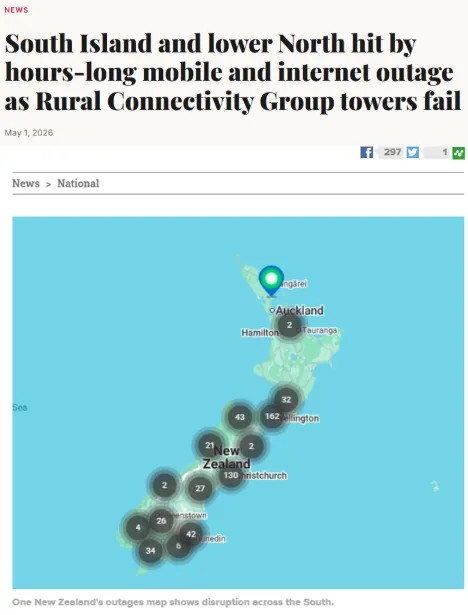
Confirm the Scope of the Issue
Before reacting, take a moment to understand what’s affected.
- Is it one system or multiple?
- Is the issue internal or external?
- Are other users or sites experiencing the same problem?
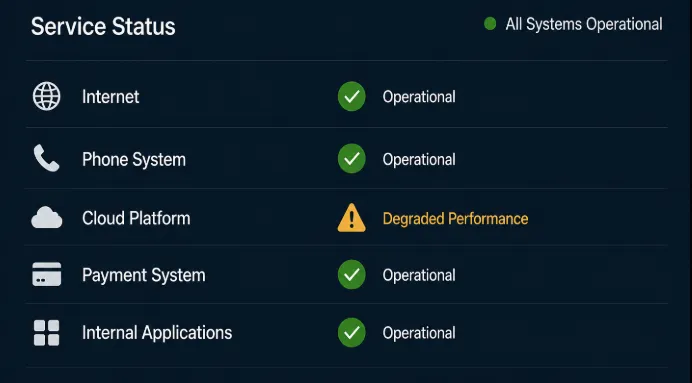
Quick checks across devices, systems, and service status pages can help you avoid unnecessary fixes and focus on the real issue.
When it’s confirmed as an external outage, the priority shifts from fixing to managing impact.
Activate Your Backup Options
This is where preparation shows its value.
Depending on the system affected, backup options might include:
- Failover internet (4G/5G or secondary provider)
- Alternate cloud access or mirrored systems
- Manual or offline processes for critical functions
If these are already in place, ensure they are working as expected and supporting essential operations.
If not, temporary workarounds may help but they should be used carefully and with awareness of risk.
Prioritise Critical Business Functions
Not everything needs to run during a disruption.
Focus on what keeps your business operating:
- Payments and transactions
- Customer communication
- Access to essential data or systems
Reducing demand on limited resources helps maintain stability where it matters most.
Don’t Compromise Security Under Pressure
Technology outages aren’t just an operational issue, they’re also a cyber security risk.
In the rush to stay productive, businesses often resort to quick fixes:
- Using unsecured personal devices or hotspots
- Bypassing standard access controls
- Implementing temporary solutions without oversight
These can introduce vulnerabilities.

A resilient business treats outages as a known risk scenario, with:
- Secure backup systems
- Controlled remote access
- Clear procedures that maintain both uptime and security
Preparedness isn’t about reacting faster, it’s about continuing to operate safely, even when systems fail.
Work with an IT Partner Who Plans Ahead

Disruptions like these highlight the difference between reacting and being ready.
The right IT partner helps you:
- Design systems with redundancy and failover in mind
- Ensure security isn’t compromised during outages
- Guide your team through disruptions with confidence
At Focus, we work with businesses to plan for these scenarios, so when something goes down, it’s not chaos, it’s managed.
Review and Strengthen Your Resilience
Once systems are restored, take the time to reflect.
- Where were the gaps?
- What caused the most disruption?
- Were your backup and response plan effective?
Every outage is an opportunity to improve how your business responds next time**.**
What’s next
Create Resilience Before You Need It
Because technology issues aren’t rare, they’re inevitable.
What matters is how prepared your business is when they happen.
Moving from a “business as usual” mindset to a resilience mindset means planning for disruption, not just reacting to it.
At Focus, we help businesses build systems, strategies, and support that keep them operating securely and confidently, no matter what goes down.
Get in touch with our team and CREATE a plan for your business.

